Comprehending Lab Testing With Clear Coa Fundamentals
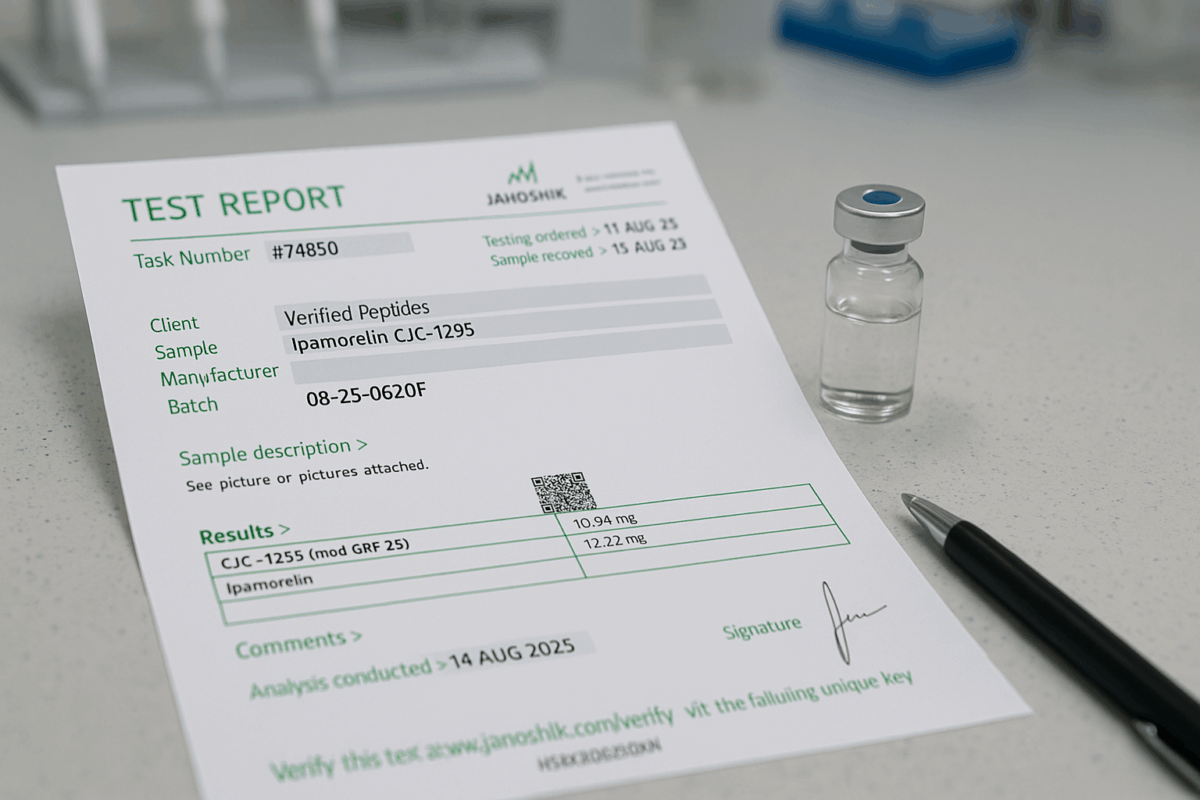

- For example, a peptide sample that is maintained chilly and completely dry will certainly frequently perform as anticipated, however one that thaws and freezes a couple of times can alter.Begin by verifying the screening research laboratory exists and preserves present accreditation.A peptide certificate of evaluation (COA) is a research laboratory record that reports logical screening results for a particular set of a peptide research study compound.Researchers can contrast this record against lab assumptions and make smart choices promptly.Picture of exactly how chromatographic heights are translated throughout peptide purity testing using high-performance liquid chromatography.Substantial inconsistencies from this summary upon aesthetic assessment of your product warrant worry.
Coa And Screening Described: A Thorough Overview
Identity testing confirms that the peptide has the right molecular structure and amino acid sequence. The batch identifier on the CoA should match the vial label precisely. If you have a particular compound you are sourcing for research study, reach out directly and we can confirm accessibility and timing. Inconsistencies between COA information and product attributes call for investigation. If the COA specifies white powder however the item shows up yellow or brown, or if mentioned quantities do not match vial components, get in touch with the vendor instantly. A Certification of Evaluation (COA) confirms key top quality attributes for each great deal of a study peptide.HPLC can help define purity, while LC-MS can include valuable identity-related context when offered. HPLC, or High-Performance Fluid Chromatography, is one of one of the most common logical methods made use of in peptide documentation. In simple terms, it helps demonstrate how much of the sample appears as the main substance compared to various other noticeable elements in the chromatographic profile. This is why HPLC is often utilized to report pureness percentages on a peptide COA. It is important to comprehend that a COA is just beneficial when it is complete, legible, and connected to the specific item being sold. A file with missing out on days, unclear methods, or no batch reference gives buyers much less self-confidence in the traceability of the material.
Third-party Confirmation
Matrix-Assisted Laser Desorption/Ionization Time-of-Flight (MALDI-TOF) and Electrospray Ionization (ESI) represent both key mass spectrometry strategies utilized for peptide evaluation. Both methods ionize the peptide molecules and measure their mass-to-charge ratio, creating a range that acts as a molecular fingerprint. Some COAs consist of the real chromatogram image, which gives visual verification of pureness cases.
Look offered Certifications of Evaluation by item name, SKU, batch/lot, cap color, pureness, and day. Without confirmed identity and purity, experimental outcomes might differ unexpectedly. Mass Spectrometry (MS or LC-MS)-- Mass spectrometry validates molecular weight and sustains Extra resources series confirmation.